

Trust by Design
Privacy isn't a promise. It's a structure. Here's what becomes possible when exposure is impossible.
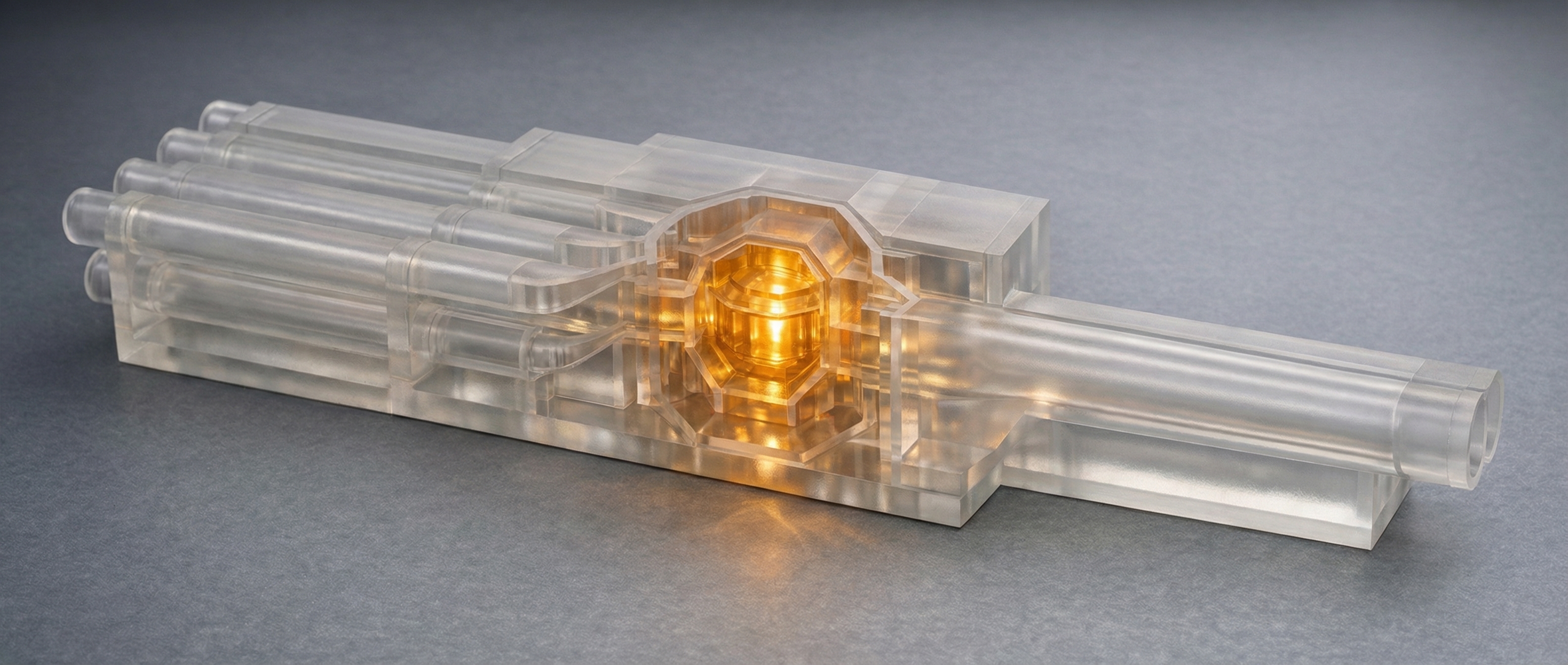
Why privacy matters
Most organizations want to understand what people feel. Few can ask safely.
When reflection feels risky, honesty disappears. Surveys become performances. Leaders hear what people think is safe to say, not what’s actually true.
That content only emerges when the system cannot identify who said it.
Structural privacy vs. policy privacy
Most systems promise privacy through policy. Whisperline builds it into architecture.
| Policy Privacy | Structural Privacy |
|---|---|
| ”We won’t look at individual data” | System cannot identify individuals |
| Promise-based | Structure-based |
| Could be overridden | Cannot be overridden |
| Trust the operator | Trust the design |
Policy satisfies compliance. Architecture earns trust.
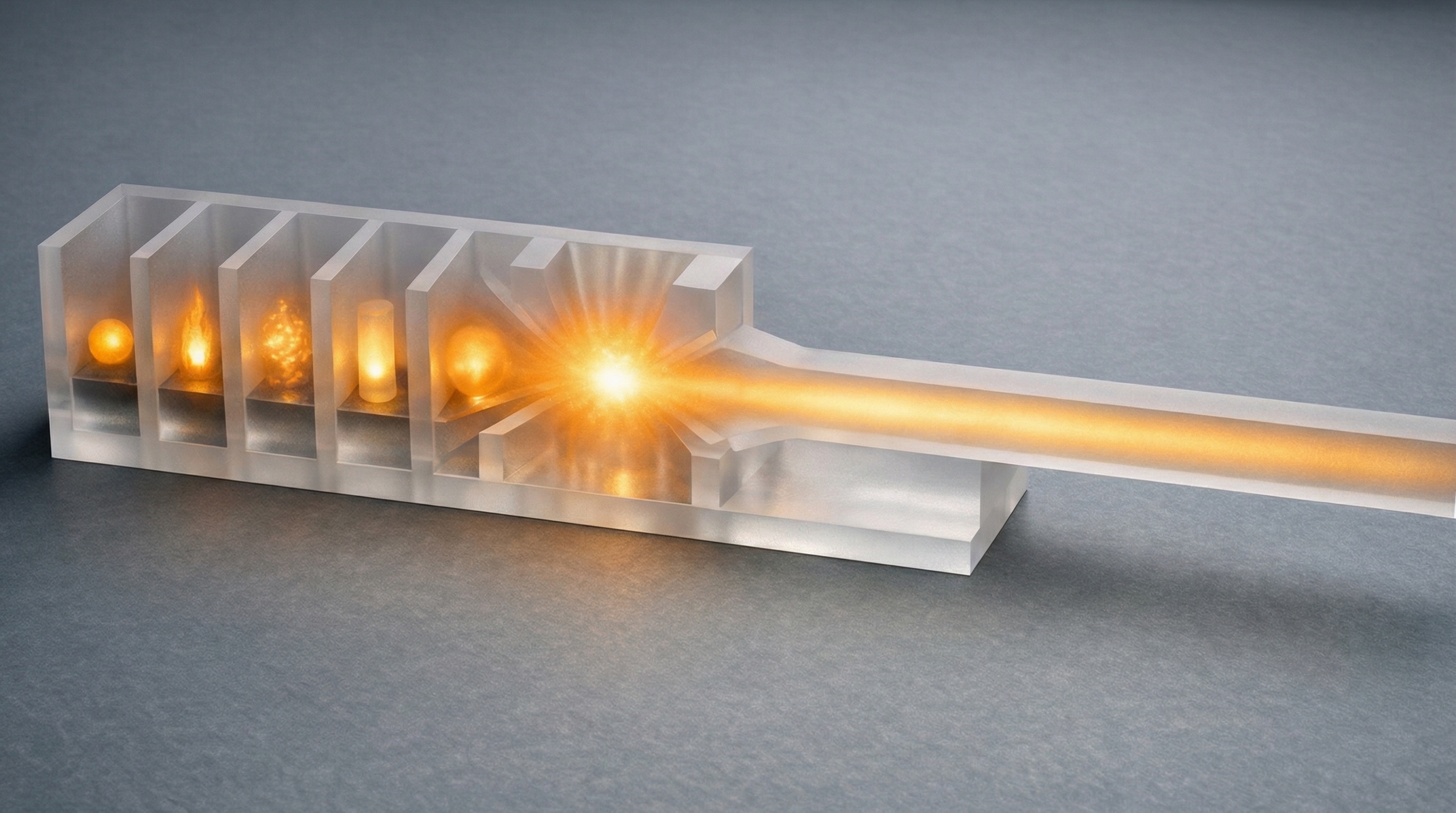
The five layers of anonymization
| Layer | What It Does | Why It Matters |
|---|---|---|
| Stateless submission | HMAC-signed, time-limited access | No session tracking, no login required |
| Organization-level scoping | All queries filtered by org, never user | Can’t drill down to individuals |
| Paraphrased quotes | No raw text in reports | Can’t match writing style |
| Batch processing | Bi-weekly cycles, not real-time | Can’t correlate by timing |
| Pattern-level output | Minimum cluster size enforced | No identifiable outliers |
Privacy in practice
Here’s what transformation looks like:
Raw whispers (never shown in reports):
- “My manager takes credit for my work”
- “Credit always goes to leadership”
- “I stopped sharing ideas because they become someone else’s”
What leaders see:
| Dimension | Value |
|---|---|
| Theme | ”Recognition Deficit” |
| Emotion profile | frustration (0.74), resignation (0.61) |
| Pattern | credit_appropriation (0.85) |
| Cluster size | 12 whispers |
Leaders learn that recognition is a problem. They don’t learn who said it. The insight survives. The identity doesn’t.
When the system can’t identify you, you can finally say what you think.
See how structural privacy enables honest sensing.
Understand what your organization actually feels.